This time the enemy isn’t a competitor stealing your customers — it’s a bot you can’t see: draining your server, corrupting your data, and eating your Google Ads budget alive, while your traffic numbers still look just fine.
The incident
We detected an abnormal surge of traffic from IP addresses geolocated in China, with behavioral patterns typical of automated bot activity rather than real human visitors. Google Analytics numbers looked strong — but the real problem wasn’t the volume. It was the chain reaction this traffic triggered across the website and the entire marketing stack, including the Google Ads campaigns running on top of it.
How does fake traffic turn into wasted ad spend?
The damage doesn’t happen in one step — it cascades through four connected stages, from the moment a fake request lands to the moment Google Ads’ bidding algorithm makes a decision based on it.
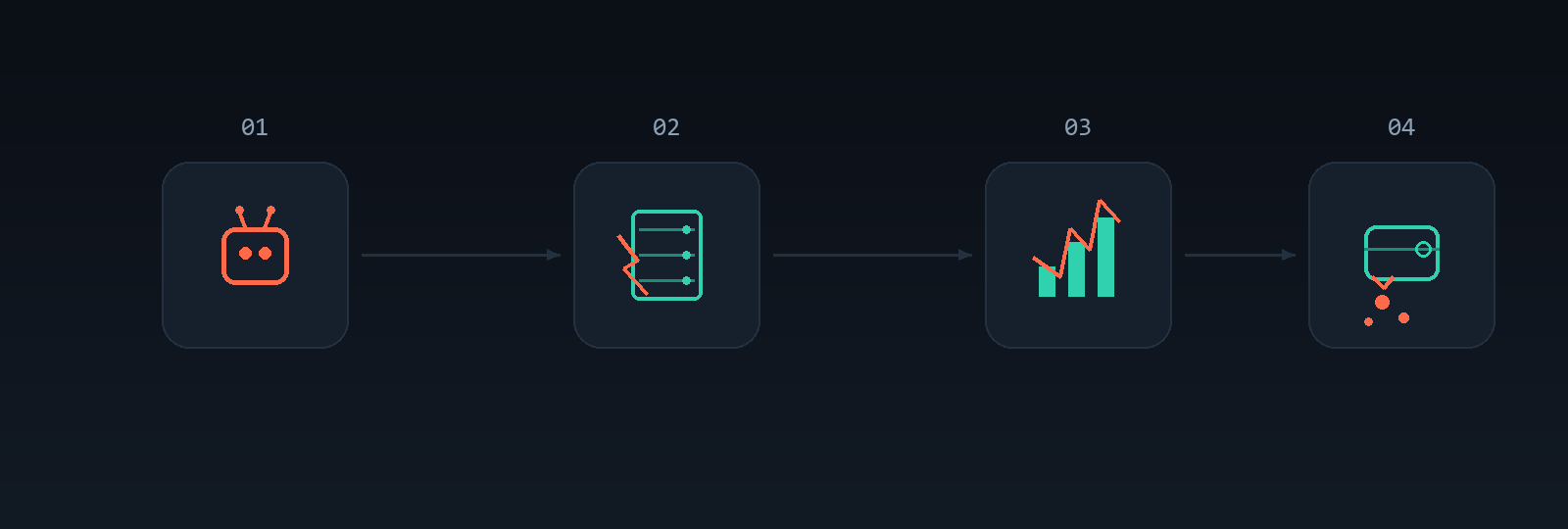
01. Landing pages get flooded
Repeated automated requests hit your pages — including the ones funded by your ad budget — with no real purchase intent. As volume grows, hosting resources get consumed, pages slow down, and real customers struggle to get through.
02. Analytics & conversion data gets corrupted
Once bot sessions mix with real visits, core metrics — sessions, engagement, source quality, conversion rate — lose accuracy. Fake conversion events that slip through feed directly into Google Ads’ Smart Bidding model.
03. Smart Bidding optimizes toward the wrong signal
Bots don’t need to click your ads directly — polluted on-site and conversion data is enough to make the algorithm chase the wrong audience, at a higher cost.
04. Sales shrink, acquisition cost climbs
A congested site, unreliable data, consumed resources, and a bidding algorithm optimizing against noise. Traffic looks high — real customers stay flat or decline, while cost-per-acquisition rises.
In e-commerce, traffic quality matters more than traffic volume.
This isn’t an isolated case
This kind of risk isn’t an exception. At a larger scale, banks and major digital services regularly face Distributed Denial-of-Service (DDoS) attacks that take banking and payment apps offline for hours — with direct losses in transactions, and indirect ones in customer trust that linger for weeks. In e-commerce, waves of automated traffic during major sales and promotions can overwhelm servers at the exact moment sales matter most.
The common thread across all these cases: the real cost of an attack isn’t measured only by the outage itself, but by its cumulative effect on data, trust, and sales — weeks later.
What should you do now?
- Link Google Ads to GA4 and enable known-bot filtering plus internal traffic exclusion
- Review the Placements report and Google Ads’ invalid-click activity regularly
- Exclude suspicious IP ranges and geographies at both campaign and server level
- Put Cloudflare Bot Protection or a WAF in front of your server, before traffic reaches your site and tracking pixel
- Protect your Conversions API with verified, server-side events instead of relying only on the browser pixel
- Separate suspicious traffic from performance reports before making budget decisions
Don’t let the numbers fool you
We run a traffic-quality audit for your website and Google Ads account: we analyze sources, detect automated patterns, and review your conversion tracking — so you know what share of your traffic is real, and how to protect your site and campaigns.