Performance marketing isn’t just “running ads.” It’s a discipline built entirely on numbers — every dollar you spend has to produce a result you can measure. The problem is that a lot of people enter the field without actually knowing the skills and requirements that separate someone who clicks buttons from someone who drives real results.
What is performance marketing, really?
Marketing built on measurable outcomes — ROAS, CAC, conversion rate, CPA — not just reach or impressions. Every decision, from channel choice to budget size, is made from real data, not a gut feeling.
The core skills you need
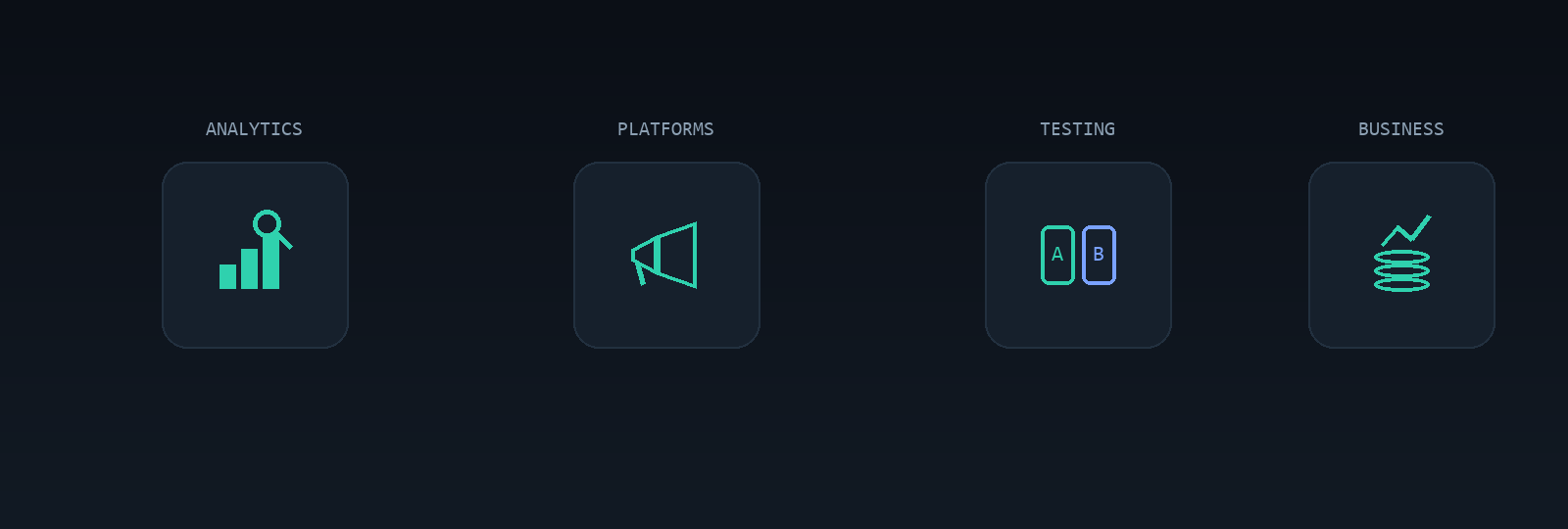
- A strong analytical foundation: comfort with numbers and spreadsheets, and understanding the difference between a real performance shift and random noise
- Ad platform mastery: Google Ads, Meta Ads Manager, TikTok Ads, and understanding the bidding logic behind each one
- Analytics and tracking: GA4, server-side tracking (Conversions API), disciplined UTM usage, and understanding attribution models
- Structured testing: A/B testing ads and landing pages, not random changes every week
- Budget management: allocating spend across channels and campaigns based on actual performance
- Understanding the full customer journey: not just the click, but everything from awareness to retention
- Business acumen: profit margins, customer lifetime value (CLV) — not just vanity metrics like click counts
- Continuous learning: platforms and algorithms keep changing, and that’s a core part of the job, not an exception to it
How do you actually get started?
- Start with solid fundamentals: certifications like Google Ads Certifications and Meta Blueprint
- Work with a real budget, even a small one — there’s no substitute for hands-on experience
- Build a portfolio from real results: your own project, freelance work, or an internship
- Master one platform first before expanding to others
- Document every test and every result — that’s what separates one year of experience repeated five times from five actual years of experience
What do employers actually look for?
- A formal marketing degree isn’t required — results and a portfolio matter more
- Certifications are a good signal, but not enough on their own
- Tool proficiency: Excel/Sheets, GA4, ad platforms, and sometimes SQL for more senior roles
- A mindset comfortable with ambiguity, one that tests and learns continuously instead of deciding by feel
The difference between “someone who runs ads” and a performance marketer isn’t how many platforms they use — it’s their ability to tie every dollar spent to an actual business outcome.
You don’t have to invest the time and budget to build a team from scratch
Whether you’re looking for performance marketing expertise for your business or trying to evaluate your current team, we can help you get the right expertise in place without going through the trial and error yourself.